

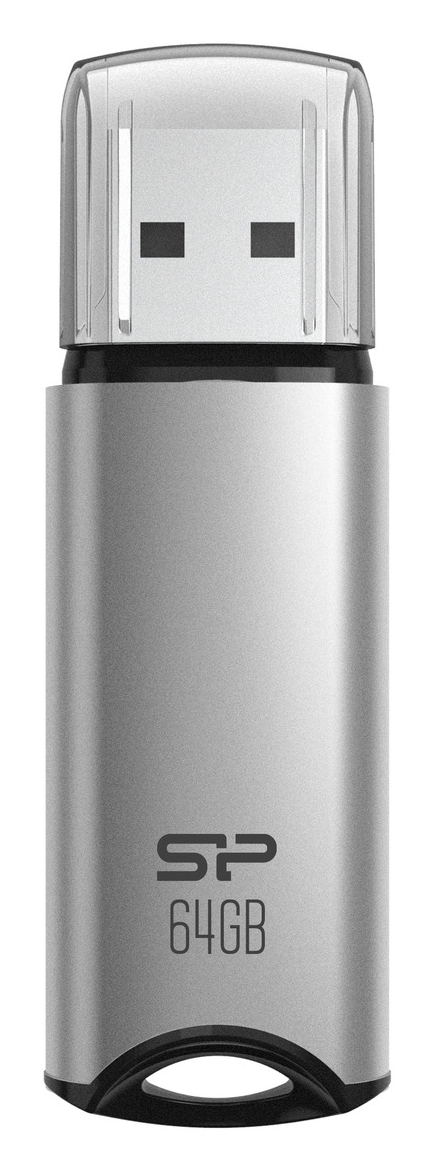
 Desktop Linux Multi-Boot 64GB














15 Linux Desktop Multi-Boot USB 64GB Ubuntu Mint Debian Fedora Nitrux Bootable
Try 15 well-loved Linux desktops from one stick, then keep the one you like. Pick from a menu at boot; nothing touches your computer until you choose to install.
$50.00
In stock · built to order
Free USPS Ground Advantage · ships within 5 business days
Returns: 30 days, seller pays return shipping
- Capacity
- 64GB
- Drive
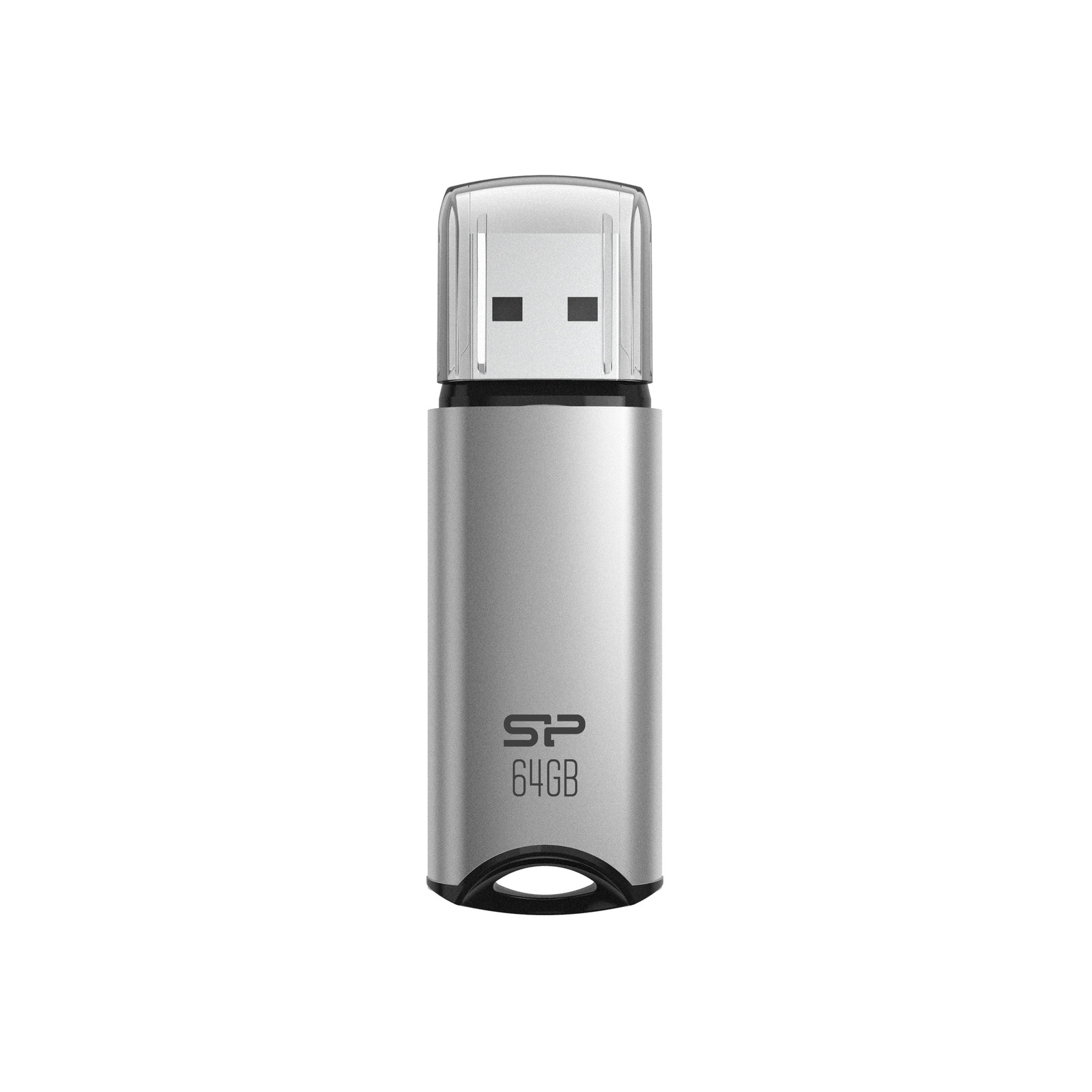
- Silicon Power Marvel M02 64GB
- Images
- 15
- Category
- Multiboot
Source code and checksums for every image: oss.tacsys.xyz/source
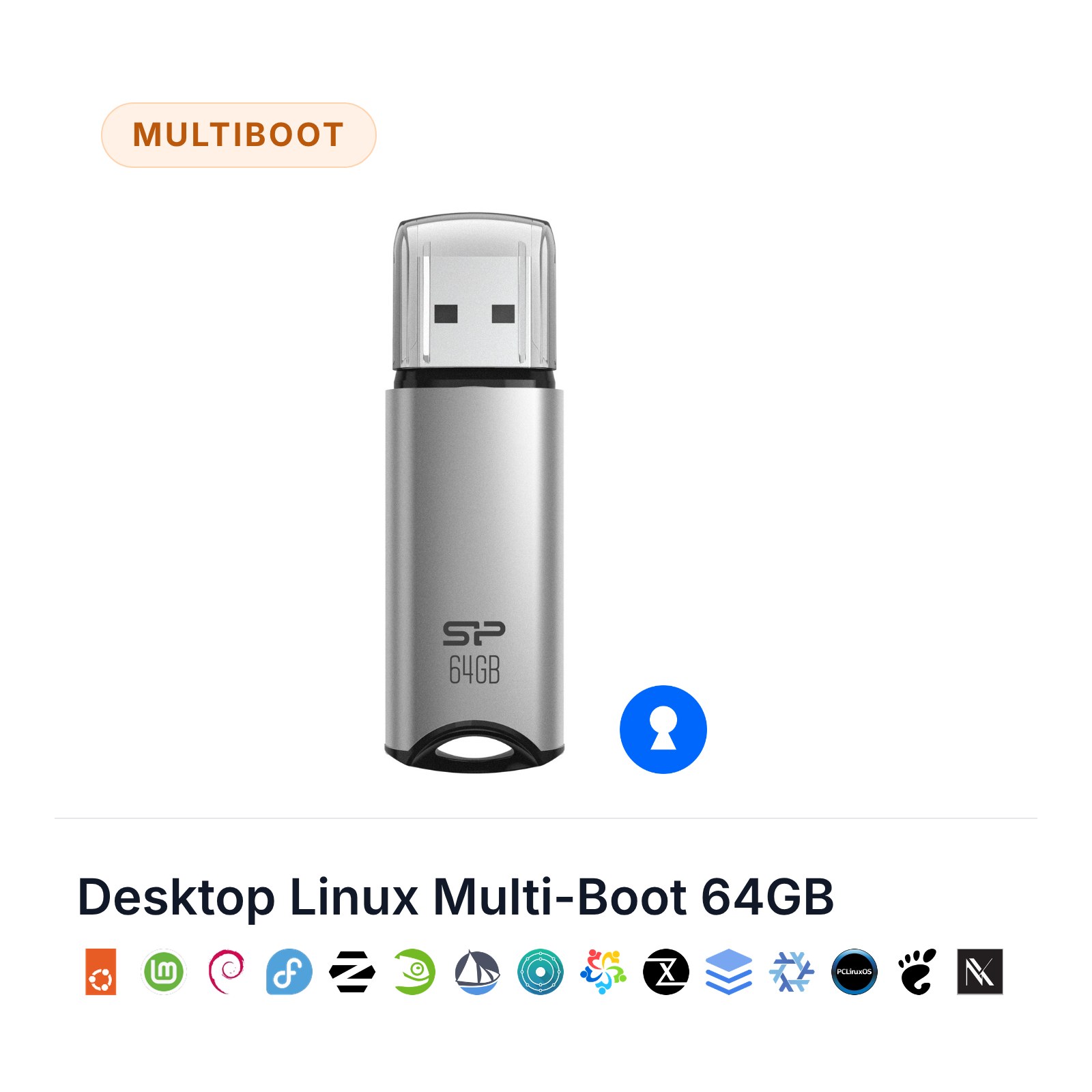
15 official everyday desktops in one Ventoy boot menu on a 64GB USB stick, one edition of each distro: Ubuntu, Linux Mint Cinnamon, Debian GNOME, Fedora Workstation, Zorin OS Core, openSUSE Tumbleweed (KDE live), Solus Budgie, KDE neon, AlmaLinux, TUXEDO OS, AnduinOS, NixOS, PCLinuxOS, GNOME OS and Nitrux (unmodified). Ubuntu Studio is a separate stick.
Who it's for. Windows and Mac switchers who want to try the most popular Linux desktops before choosing one to install.
How to boot. Shut the computer down fully, plug the stick into a USB-A port, power on and tap the boot menu key right away (common keys: Dell F12, HP F9 or Esc, Lenovo F12 or Enter, Asus F8 or Esc, Acer F12, MSI F11), then choose the USB drive. The Ventoy menu appears: pick a system with the arrow keys and press Enter. Stick not showing? Turn off Secure Boot in your BIOS/UEFI settings, or on the first Ventoy boot choose Enroll key from disk when prompted. Apple Silicon Macs (M1 and later) can't boot these drives. 64-bit x86 PCs only.
Persistence and vault. Live sessions start fresh each boot (no live-session persistence). The rest of the stick, about 5.2 GiB, is an encrypted private vault partition you unlock with your own passphrase. You set it up on first use; nothing is preset.
What's in the box. One new Silicon Power Marvel M02 64GB USB flash drive prepared as described above, plus a printed OSS boot card (boot steps, boot-menu keys and support info), packed in a padded bubble mailer. Checksums for every image and the source code are published at oss.tacsys.xyz/source. Free USPS Ground Advantage shipping.
Free updates: update from the drive, and get free new images for the life of your drive. Both are rolling out, and you'll be prompted once they ship. You can also download other images that fit your drive from oss.tacsys.xyz.
Hardware: new Silicon Power Marvel M02 64GB USB-A flash drive (aluminum body, USB 3.2 Gen 1).
Brand-new drive, unsealed only to flash and test the custom build.
If we run out of blank sticks, we'll replace them with a drive of like kind and quality or better.
Made to order. Each stick is a new drive. We build every image once from the official release, verify it, and keep it ready; when you order, we write it to a fresh drive and check it. Please allow the handling time shown before it ships.
Satisfaction guarantee. If your stick doesn't boot, arrives damaged, or isn't what you expected, message us through eBay first: we'll help you get it running, send a replacement, or give you a full refund through eBay returns under the return policy shown on this listing.
The operating system comes unmodified from its upstream project and is not made or endorsed by this seller; you are paying for the drive, the preparation, and the checking.
Included images
Ubuntu
Ubuntu is a complete desktop Linux distribution based on Debian. It aims for a polished desktop experience with regular releases, broad hardware support, and a large package archive from Canonical and the community.
Source: DistroWatch
Linux Mint Cinnamon
Linux Mint is a desktop distribution based on Ubuntu (and a Debian edition, LMDE). It focuses on a familiar desktop, multimedia codecs out of the box, and a calm upgrade path. This menu entry is the Cinnamon edition.
Source: DistroWatch
Debian live GNOME
Debian is a free operating system known for stability, a huge package archive, and a careful release process. Live images let you try desktop environments before installing. This menu entry is the live GNOME image.
Source: DistroWatch
Fedora Workstation
Fedora is a community distribution sponsored by Red Hat. It ships current free software, GNOME or KDE spins, and a short release cycle. This menu entry is the Workstation (GNOME) edition.
Source: DistroWatch
Zorin OS Core
Zorin OS Core is the free edition of the Ubuntu-based Zorin OS, with layouts that feel familiar to Windows and Mac switchers.
Source: upstream project
openSUSE Tumbleweed
openSUSE Tumbleweed is a rolling-release distribution from the openSUSE Project; each snapshot is tested with openQA before it ships. This menu entry is the KDE Plasma live image.
Source: upstream project
Solus
Solus is an independent desktop distribution built from scratch, with a curated rolling release and the Budgie desktop. This menu entry is the Budgie live image.
Source: upstream project
KDE neon
KDE neon pairs the latest KDE Plasma desktop and apps, straight from KDE, with a stable Ubuntu LTS base. This menu entry is the User Edition.
Source: upstream project
AlmaLinux
AlmaLinux is a free, community-run enterprise Linux that is binary-compatible with Red Hat Enterprise Linux. This menu entry is the live desktop image.
Source: upstream project
TUXEDO OS
TUXEDO OS is an Ubuntu-based desktop from TUXEDO Computers with KDE Plasma and its own hardware tuning tools.
Source: upstream project
AnduinOS
AnduinOS is an Ubuntu-based desktop with a GNOME layout tuned to feel familiar to Windows users.
Source: upstream project
NixOS
NixOS is built on the Nix package manager: the whole system is described in one configuration file, and upgrades can be rolled back. This menu entry is the graphical live image.
Source: upstream project
PCLinuxOS
PCLinuxOS is an independent rolling-release desktop with KDE Plasma, known for working out of the box.
Source: upstream project
GNOME OS
GNOME OS is the GNOME project's own image-based operating system with the newest GNOME desktop. It boots on UEFI computers only.
Source: upstream project
Nitrux
Nitrux is a Debian-based desktop with its own immutable root and the Maui shell. This menu entry is the image for AMD and Intel graphics.
Source: upstream project